
Orthodontics
Orthodontics corrects misaligned teeth and bite problems, improving both appearance and function.
Orthodontics
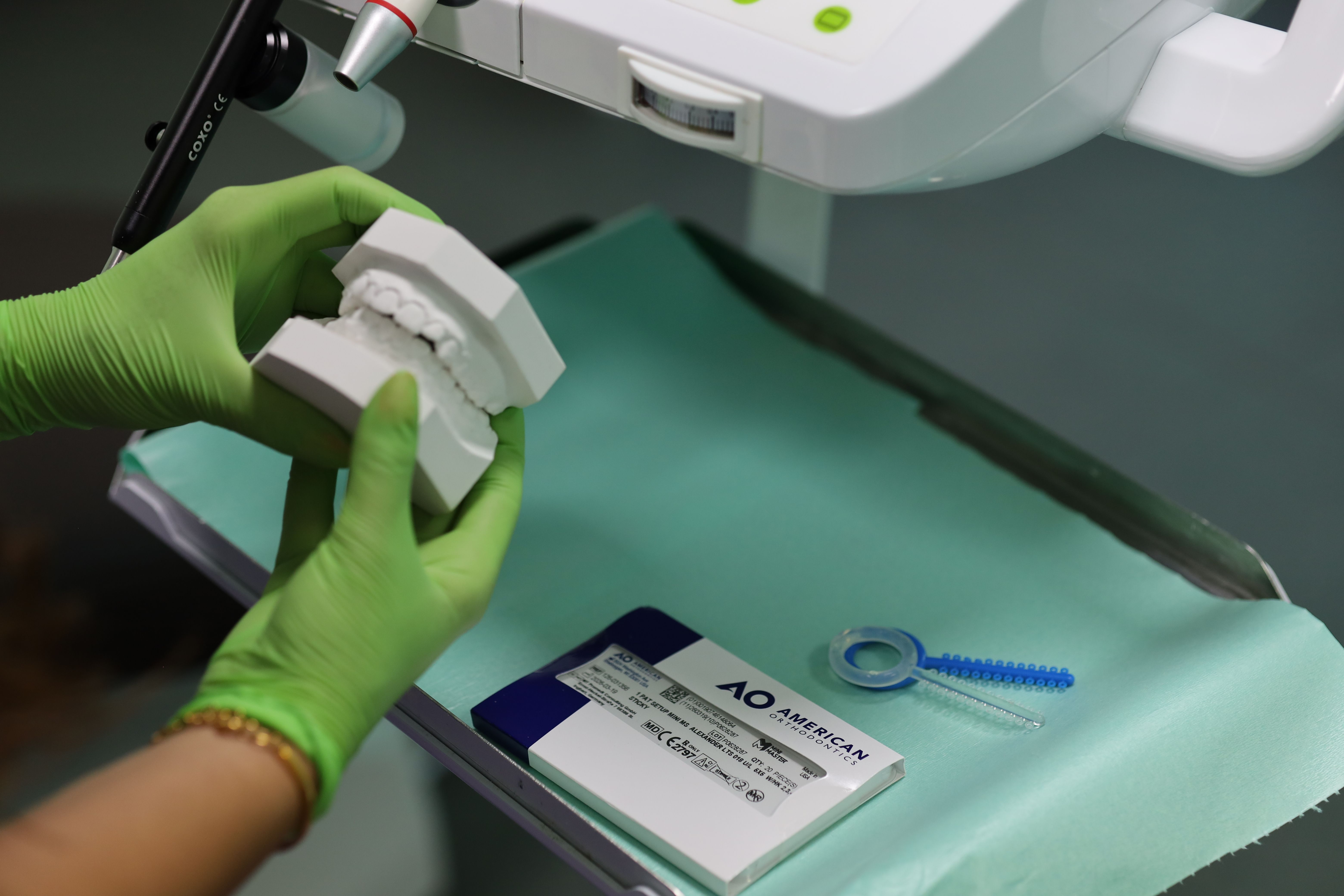
Orthodontic treatment is aimed at aligning the teeth and correcting different types of bite problems. It can be used for both children and adults.
Different types of appliances are used, including braces, aligners, and other orthodontic systems that gradually move the teeth into the correct position. Modern solutions are becoming increasingly discreet and comfortable for the patient.
In addition to improving appearance, orthodontic treatment can contribute to better oral hygiene, proper chewing, and a reduced risk of future problems with the teeth and gums.
Treatment is individually planned and monitored in order to achieve optimal and long-lasting results.
When should you consider an orthodontic consultation?
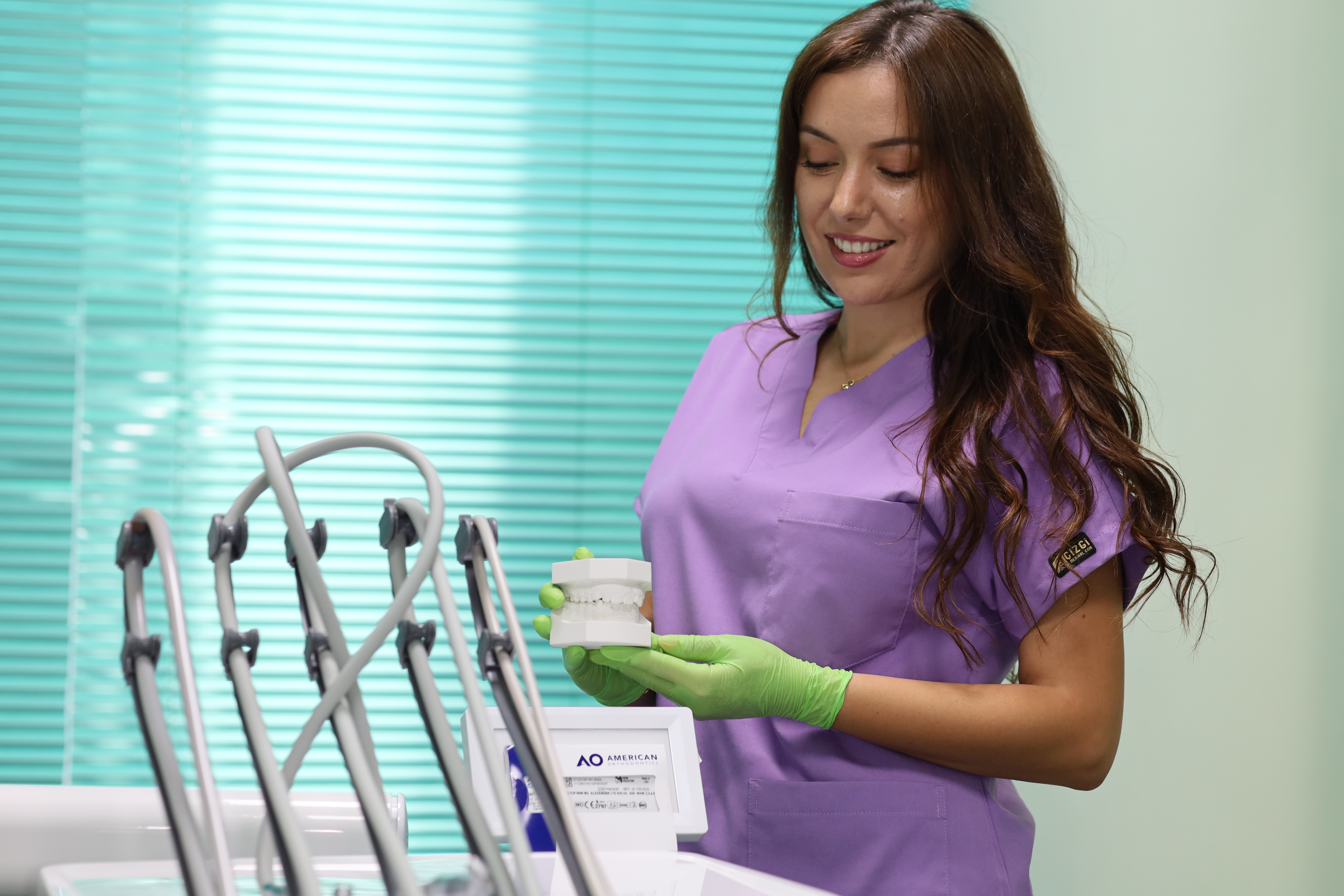
An orthodontic examination is recommended when you notice that the teeth are not properly aligned, there is not enough space for them, or the bite appears incorrect. Sometimes an orthodontic problem is not obvious. The purpose of the examination is to determine whether treatment is needed, when it is appropriate to begin, and what treatment options are available.
Why you should not delay correcting your bite?
Delaying orthodontic treatment may allow the problem to progress, make oral hygiene more difficult, and increase the risk of cavities, gum inflammation, or uneven tooth wear. When the bite is not properly aligned, the forces on the teeth are not distributed evenly, which may lead to discomfort, sensitivity, or difficulty chewing. Timely treatment can make it easier to achieve a stable, aesthetic, and functional result while also improving confidence and comfort when smiling.
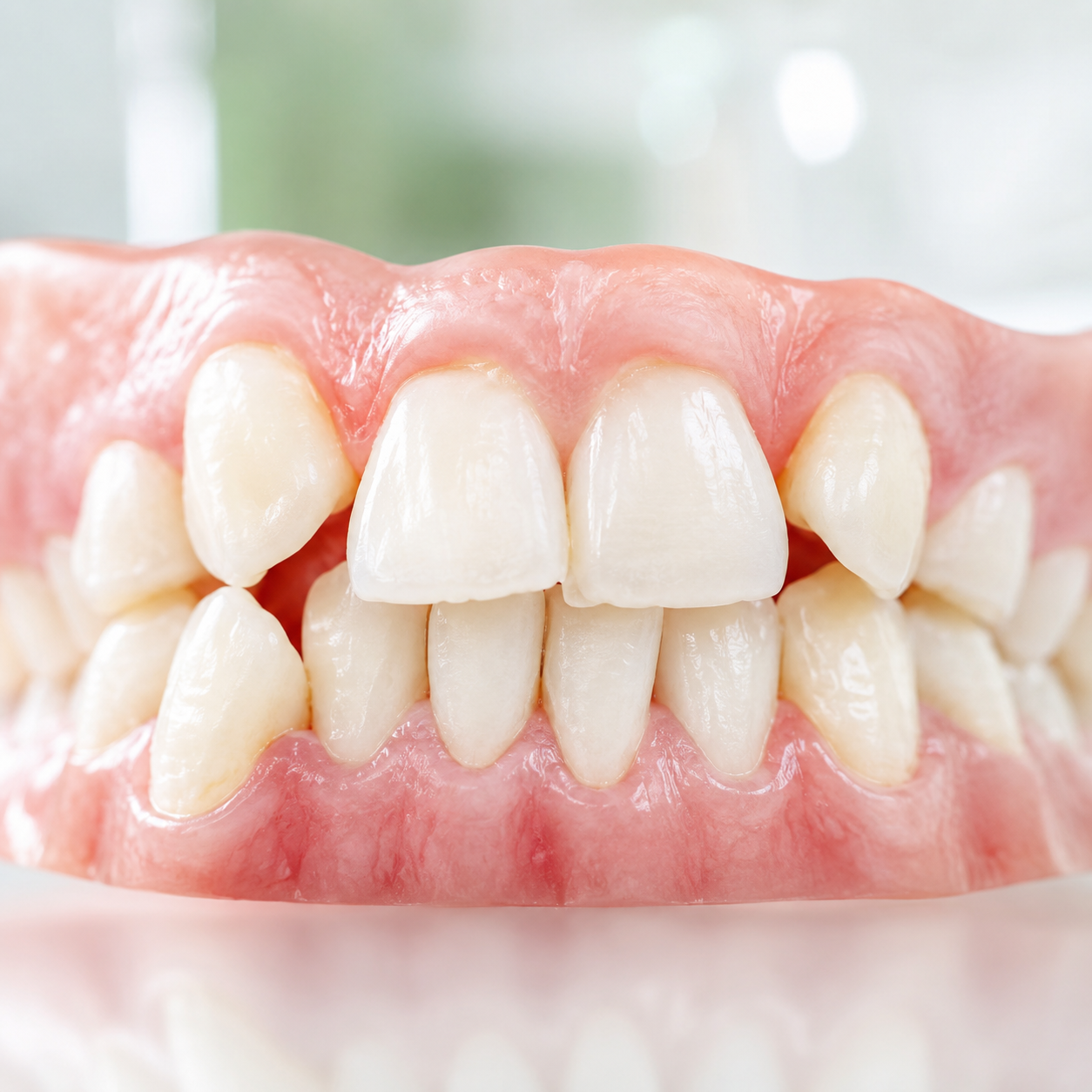
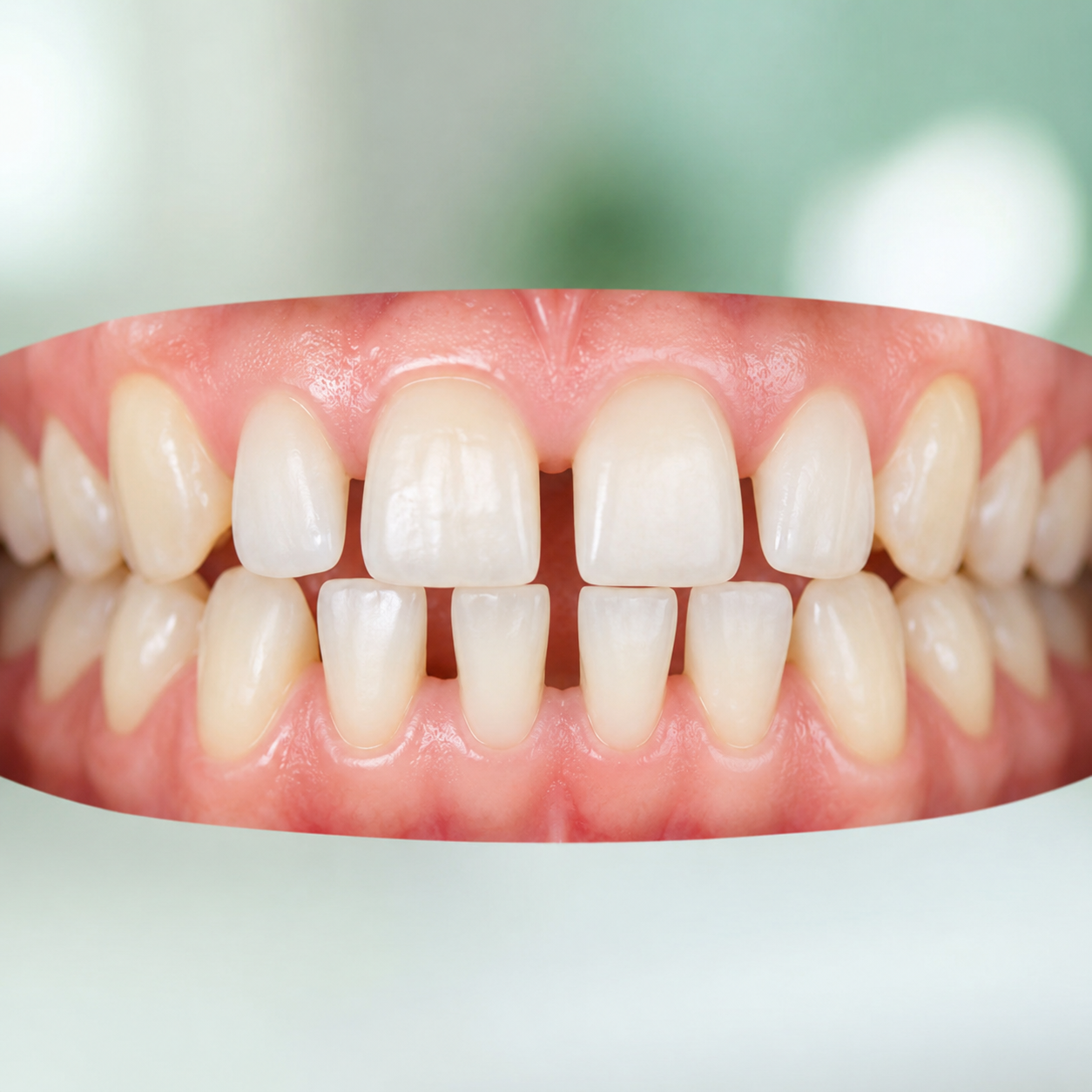
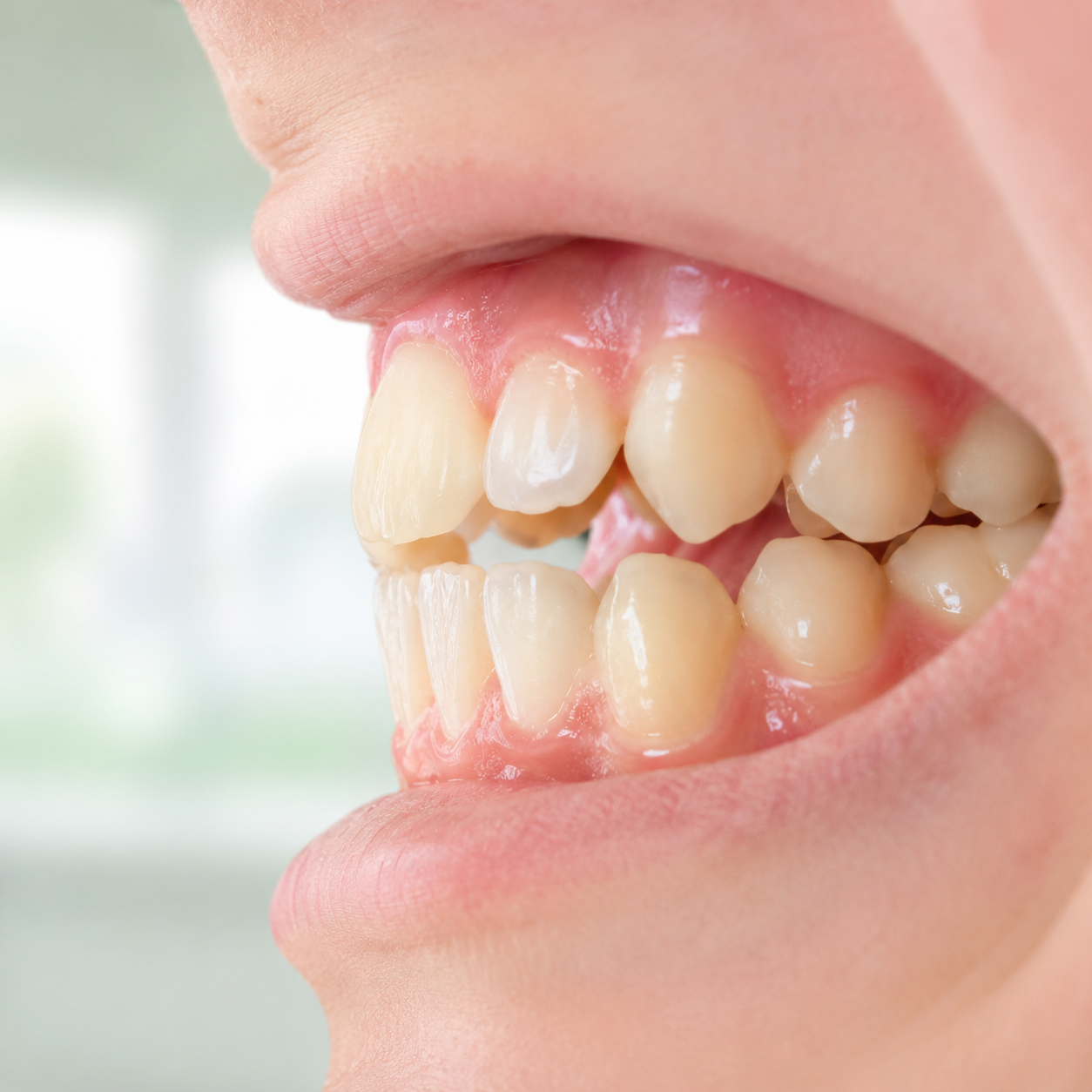
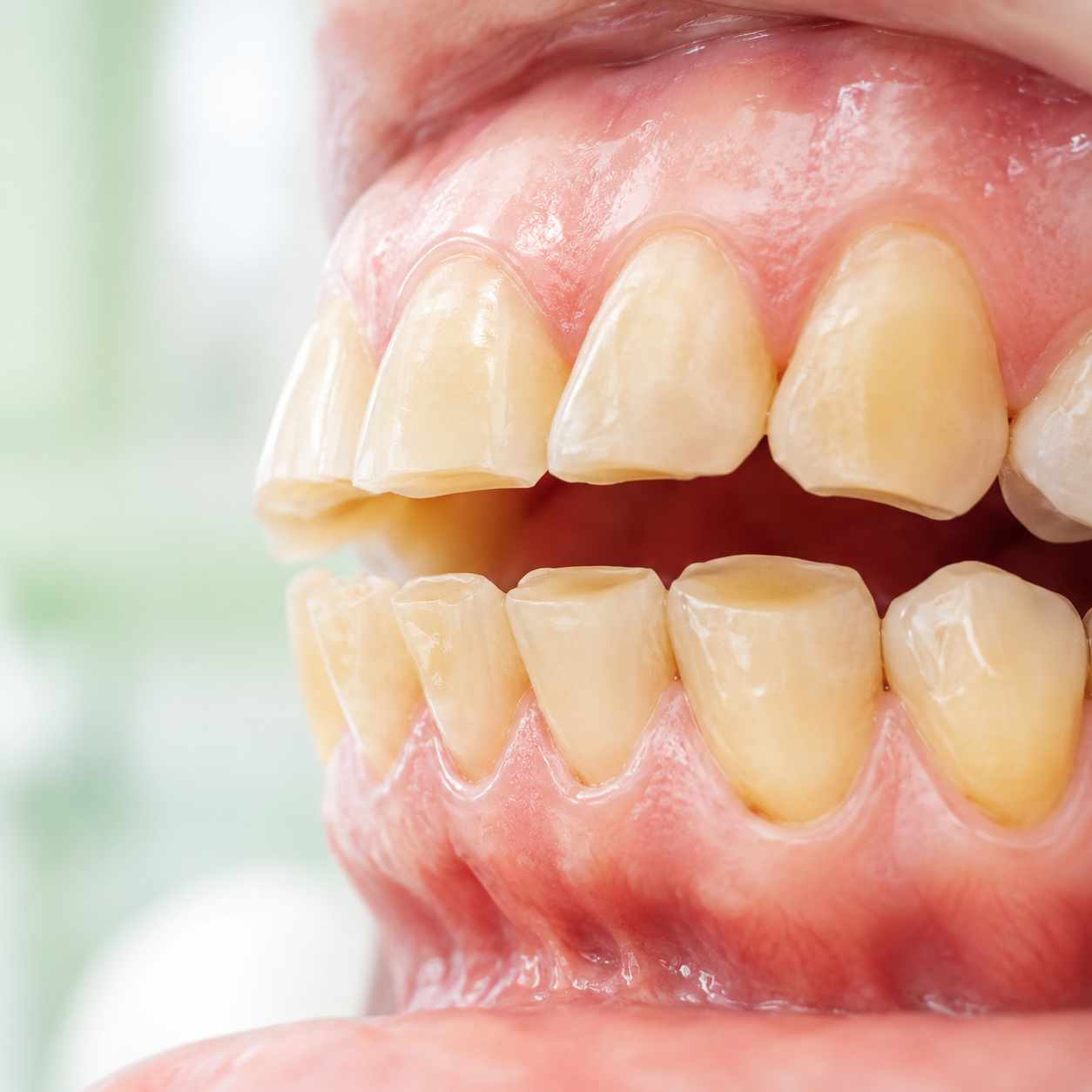
What orthodontic problems can be corrected?
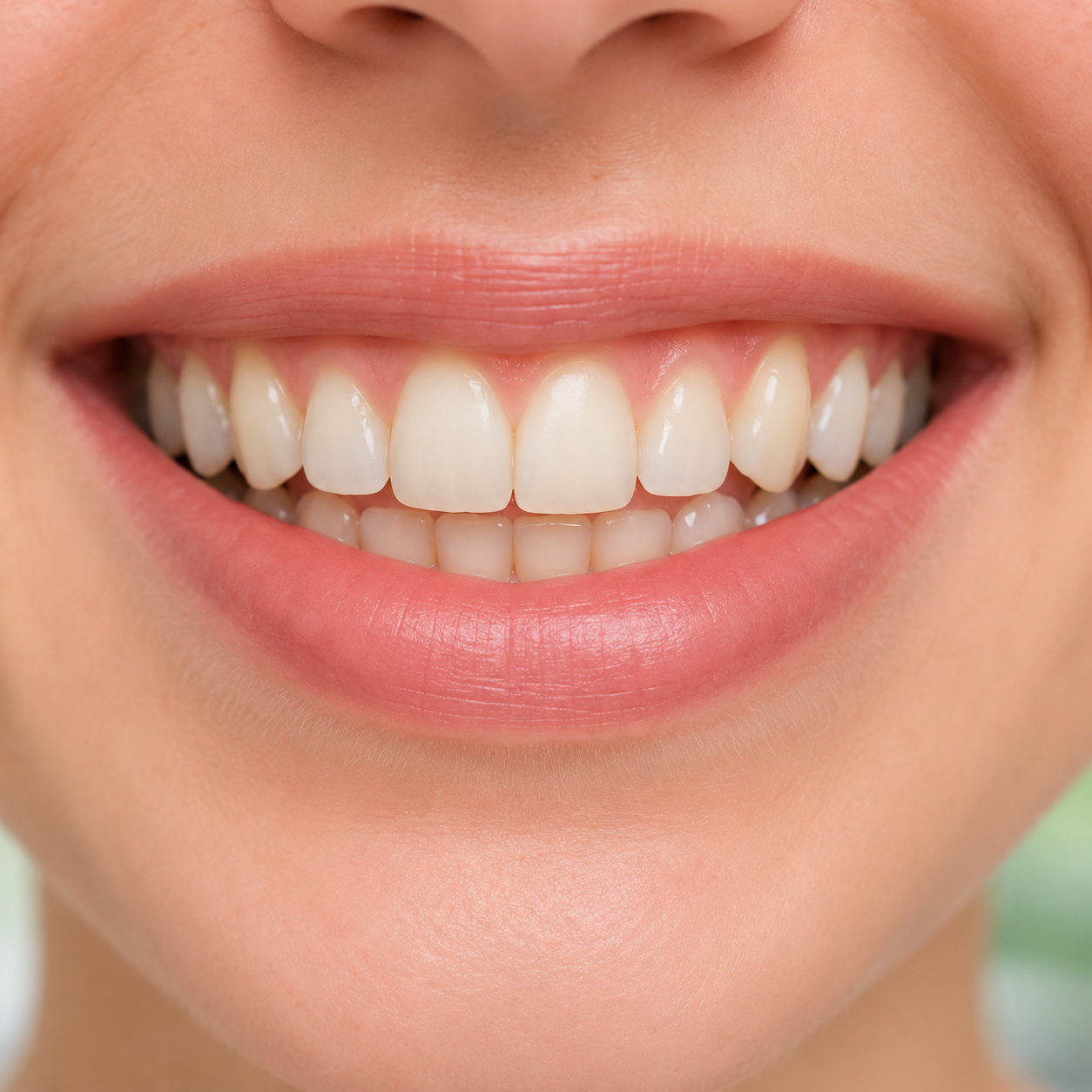
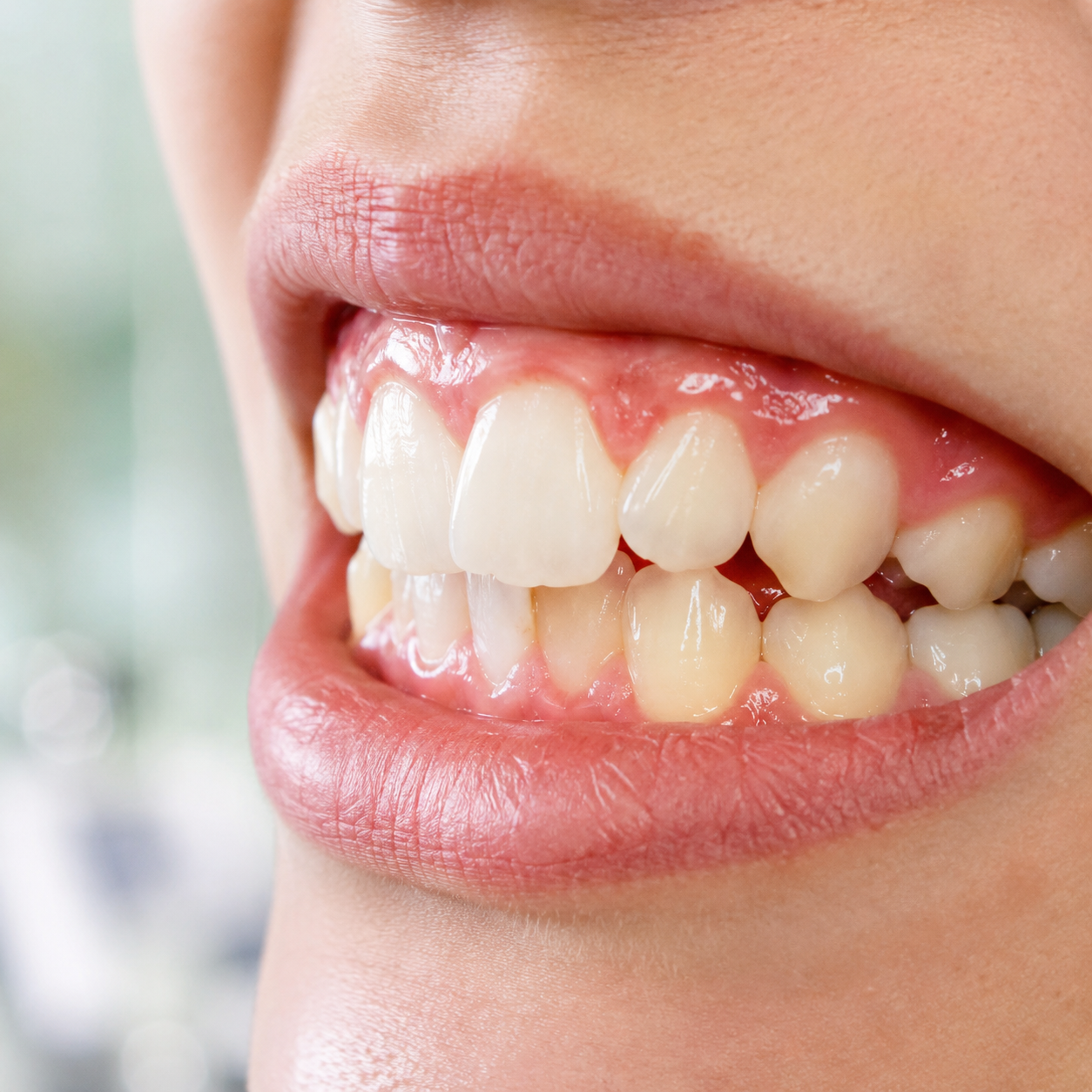
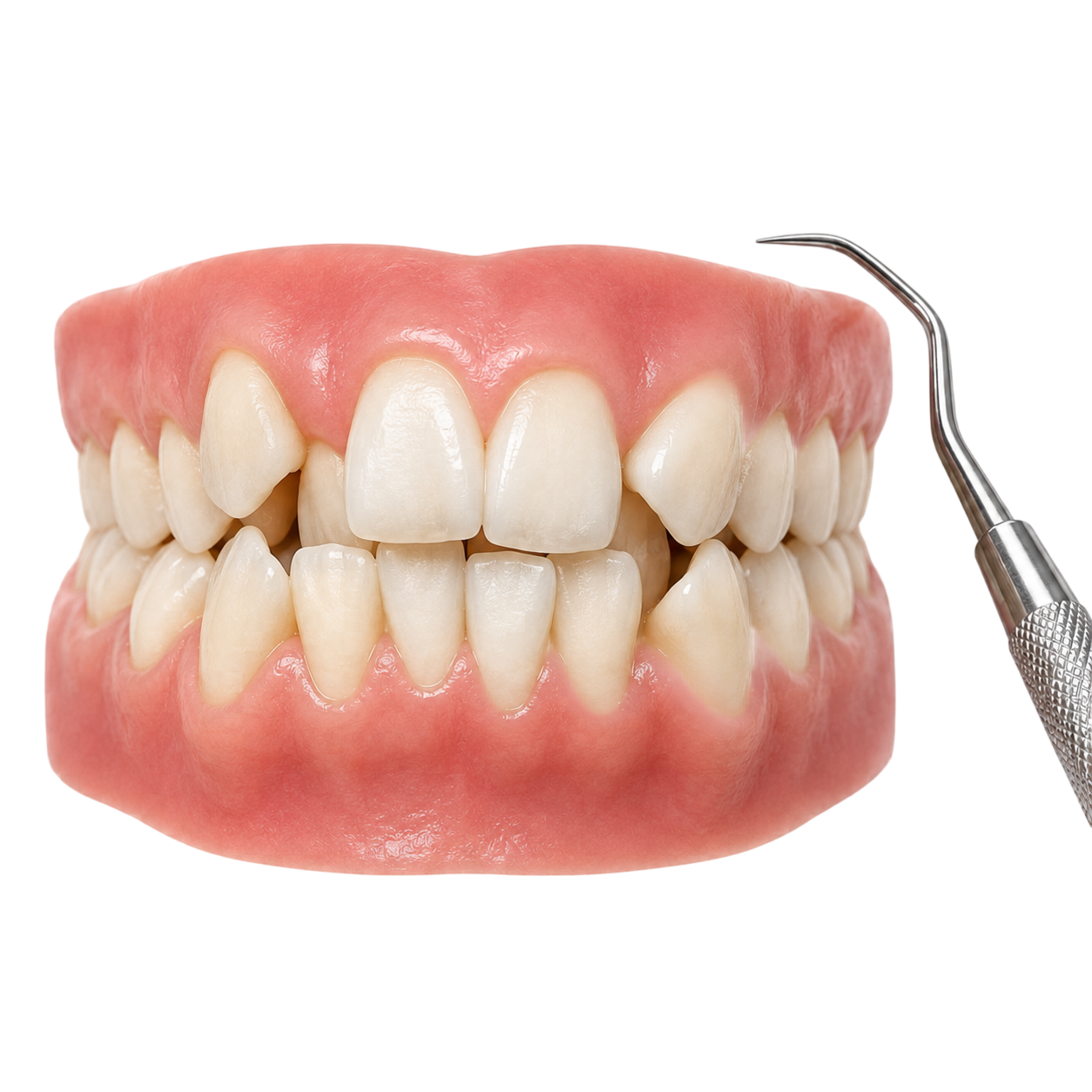
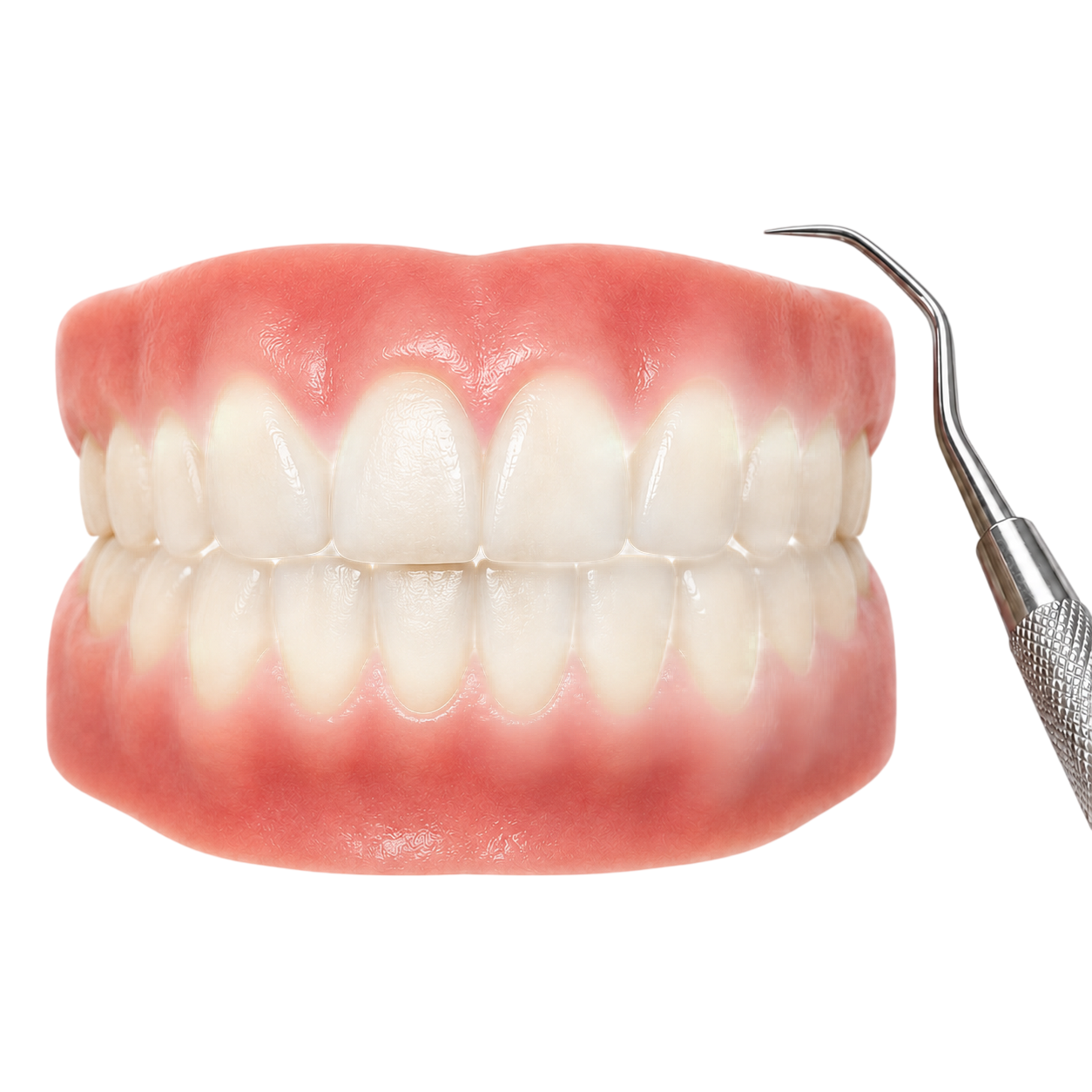
Correcting these issues can help create a more balanced bite, improve overall symmetry, and make it easier to maintain healthy teeth and gums.
- Crowded teeth
- Gaps between teeth
- Bite problems
- Rotated teeth
- Uneven tooth wear
- Aesthetic imbalance
What does the treatment involve?
Consultation and diagnosis
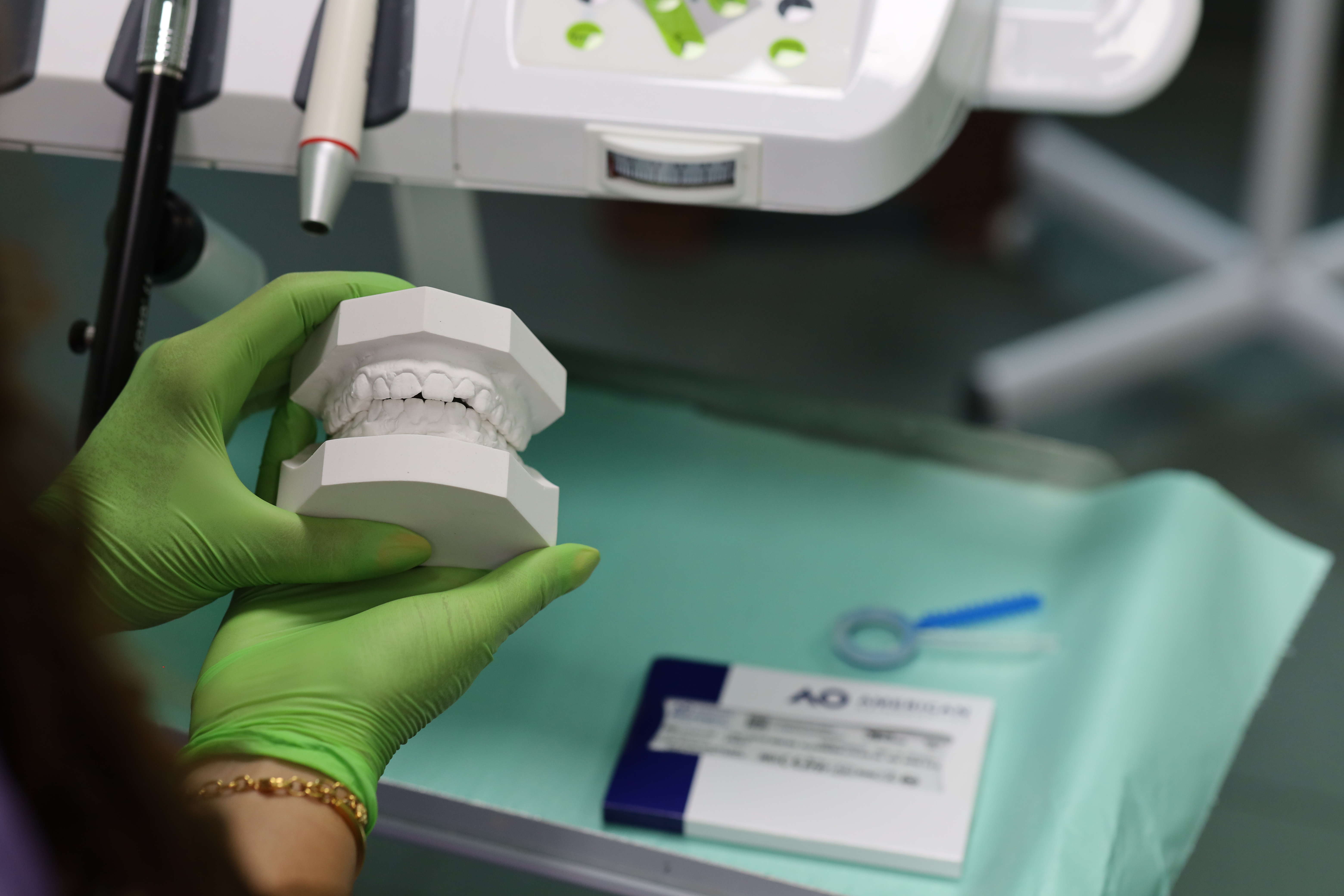
Treatment begins with a clinical examination, bite analysis, and assessment of tooth alignment. If needed, photographs, impressions, or a digital scan may also be taken.
Personalized treatment plan
Once the diagnostic information has been reviewed, the available treatment options, expected duration, most suitable appliance, and desired final result are discussed.
Starting treatment with braces, an orthodontic appliance, or aligners
Depending on the individual case, treatment may begin with braces, another orthodontic appliance, or a series of clear aligners.
Regular check-ups and progress monitoring
Throughout treatment, regular follow-up visits are scheduled to monitor tooth movement and make any necessary adjustments.
What types of appliances and materials are used?
Modern orthodontics offers a range of treatment options depending on the patient’s age, the complexity of the case, and individual aesthetic preferences. These may include metal or tooth-colored braces, clear aligners, removable appliances for children, and retainers to help maintain the result after treatment. The most suitable approach is selected after a clinical examination and diagnosis, taking into account not only appearance, but also treatment effectiveness, comfort, and long-term stability.
Orthodontic treatment can significantly improve tooth alignment, bite, and the overall harmony of the smile. With careful planning and regular follow-up, the result can be not only more aesthetic, but also more functional and stable over time.
Would you like to book an appointment?
Book an Appointment